
Chiyaan Vikram Filmography, Career Journey, Awards, and Legacy in Indian Cinema

Indian cinema has produced many versatile actors, but few have displayed the level of commitment, transformation, and dedication shown by Chiyaan Vikram. Known for pushing his physical and emotional limits for every role, Vikram has built a remarkable career spanning more than three decades. From struggling through years of failures to becoming a National Award-winning actor, his journey is one of perseverance, passion, and excellence.
Whether portraying a mentally challenged father, a ruthless gangster, a blind singer, or a historical prince, Vikram has consistently reinvented himself, earning admiration from audiences and critics alike. Today, he is regarded as one of the finest performers in Indian cinema.
Early Life and Family
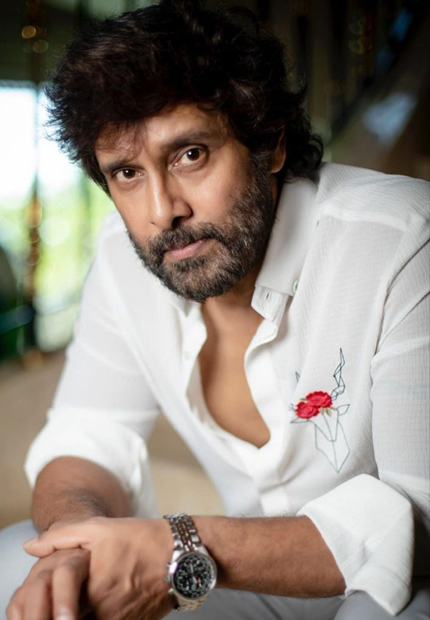
Vikram was born as Kennedy John Victor on 17 April 1966 in Chennai, Tamil Nadu.
His father, John Victor (Vinod Raj), was an actor who appeared in supporting roles in Tamil films and television serials, while his mother Rajeshwari worked as a government officer. Growing up in a family connected to cinema inspired Vikram to dream of becoming an actor from a young age.
He later adopted the screen name Vikram, believing it was more suitable for a Tamil film hero. The name was created using parts of his parents’ names and his birth name.
He studied at Montfort School, Yercaud, before graduating in English Literature from Loyola College, Chennai. During college, he actively participated in theatre, winning several Best Actor awards.
The Accident That Nearly Ended His Dreams
One of the defining moments in Vikram’s life came during his college years.
While returning home after receiving a Best Actor award, Vikram met with a devastating road accident when a truck hit his motorcycle.
The accident left him with severe leg injuries.
Doctors considered amputating his leg.
Instead, Vikram underwent:
- 23 surgeries
- Nearly three years in hospitals
- Long rehabilitation
- Months of learning to walk again
Many believed his acting dreams were over.
Instead of giving up, Vikram used the experience as motivation to work even harder toward becoming an actor.
Early Career and Years of Struggle (1988–1998)
Before entering films, Vikram worked as:
- Television commercial model
- Television actor
- Stage performer
His television debut came through the Doordarshan serial Galatta Kudumbam (1988).
His first feature film was En Kadhal Kanmani (1990).
Unfortunately, almost every film during the first decade of his career failed commercially.
To survive in the industry, Vikram acted in:
- Tamil films
- Telugu films
- Malayalam films
He often played supporting roles while bigger stars dominated the screen.
Vikram as a Dubbing Artist
Very few fans know that Vikram was once among Tamil cinema’s busiest dubbing artists.
He lent his voice to several actors including:
- Ajith Kumar
- Prabhu Deva
- Abbas
- Vineeth
Rather than seeing dubbing as a compromise, Vikram viewed it as an opportunity to improve his acting and earn a living during difficult years.
Breakthrough with Sethu (1999)
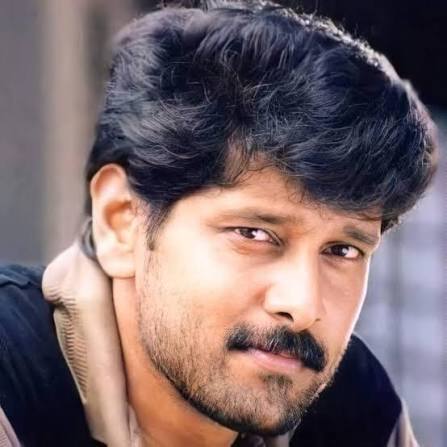
Everything changed in 1999 with director Bala’s Sethu.
To portray the tragic college student:
- Vikram shaved his head
- Lost over 20 kilograms
- Grew long nails
- Maintained the look for months while the film struggled for release
Initially, no distributor wanted the film because of its tragic ending.
However, after release, Sethu became a sensational sleeper hit through word of mouth.
The performance transformed Vikram overnight into one of Tamil cinema’s finest actors.
The nickname “Chiyaan”, taken from his character, became permanently associated with him.
Rise to Stardom (2001–2003)
Following Sethu, Vikram delivered a remarkable streak of successful films.
Dhill (2001)
The action entertainer established him as a commercial action hero.
Kasi (2001)
Playing a blind village singer earned him:
- Filmfare Award
- Massive critical appreciation
Gemini (2002)
The gangster entertainer became one of the biggest Tamil blockbusters of the year.
Dhool (2003)
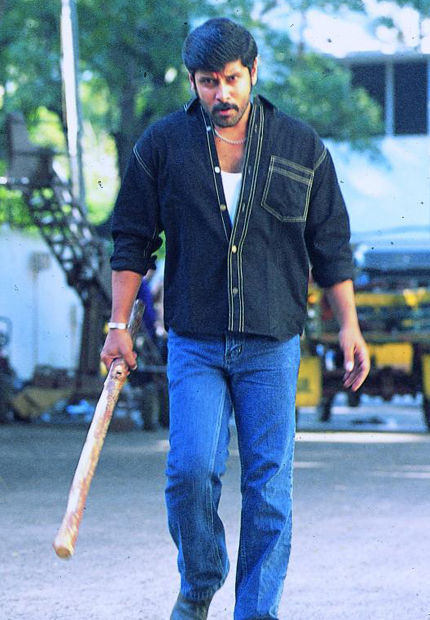
Another commercial success showcasing his action and comedy skills.
Saamy (2003)
Hari’s police drama elevated Vikram into the league of Tamil cinema’s biggest stars.
Pithamagan (2003)
Perhaps one of his greatest performances.
Vikram played Chithan, an autistic gravedigger with almost no dialogue.
The performance won him:
- National Film Award for Best Actor
- Filmfare Award
- Tamil Nadu State Award
Many critics still regard Pithamagan as one of the greatest acting performances in Indian cinema.
Challenging Roles and Career Reinvention
Unlike many commercial heroes, Vikram consistently chose demanding characters.
Some of his most memorable transformations include:
Anniyan (2005)
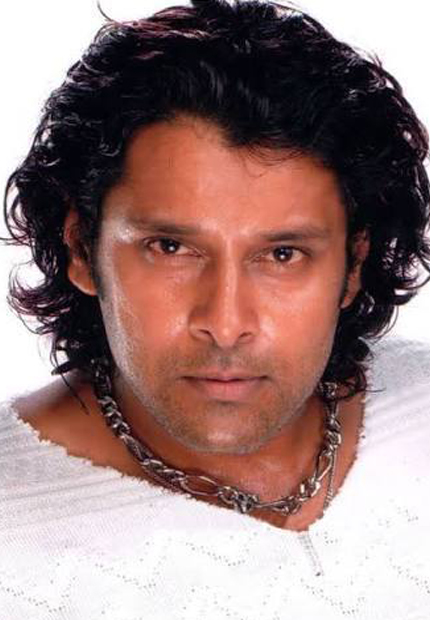
Director Shankar cast Vikram in three completely different personalities.
His portrayal of a lawyer suffering from dissociative identity disorder remains iconic.
The film became one of Tamil cinema’s biggest blockbusters.
Raavanan (2010)
Working with Mani Ratnam, Vikram played Veeraiya, delivering one of the finest performances of his career.
His emotional intensity earned widespread acclaim and another Filmfare Award.
Deiva Thirumagal (2011)
Vikram portrayed Krishna, a father with developmental disabilities fighting for custody of his daughter.
To prepare, he spent weeks living among children with special needs.
The emotionally powerful performance remains one of his career’s finest.
I (2015)
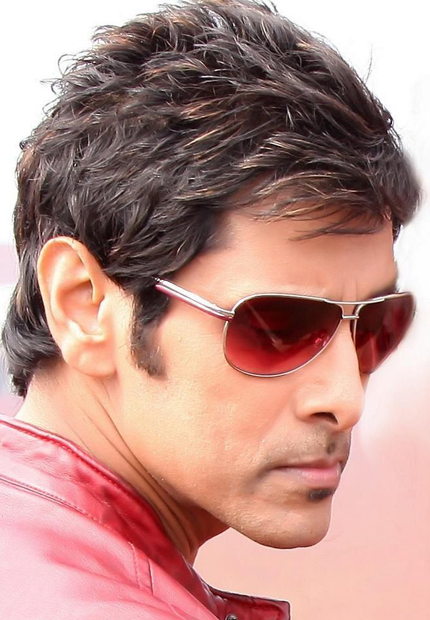
Director Shankar once again pushed Vikram to his limits.
For the film he transformed into:
- Bodybuilder
- Fashion model
- Hunchback
- Diseased victim
He gained massive muscle before losing enormous weight.
The transformation remains one of the most extreme body transformations in Indian cinema.
Later Career
After I, Vikram continued experimenting with different genres.
Some notable films include:
- 10 Endrathukulla
- Iru Mugan
- Sketch
- Saamy Square
- Kadaram Kondan
- Mahaan
- Cobra
- Ponniyin Selvan I
- Ponniyin Selvan II
- Thangalaan
- Veera Dheera Sooran
Ponniyin Selvan and Career Revival
Mani Ratnam’s historical epic introduced Vikram as Aditya Karikalan.
His emotionally layered portrayal became one of the film’s biggest highlights.
Both films became massive box office successes.
The role earned him several Best Actor awards from Filmfare, SIIMA, and IIFA.
Thangalaan
Directed by Pa. Ranjith, Thangalaan showcased another incredible transformation by Vikram.
His rugged performance received widespread praise from critics and international film festivals.
The film was later showcased at the International Film Festival Rotterdam, highlighting Vikram’s commitment to challenging cinema.
Veera Dheera Sooran
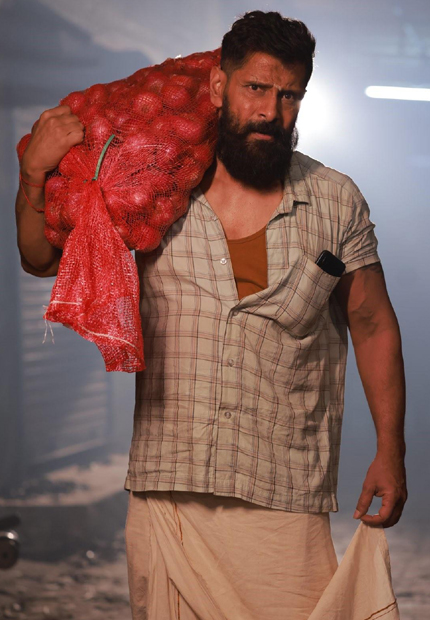
Released in 2025, Veera Dheera Sooran marked the return of “Vintage Chiyaan.”
Critics praised Vikram’s powerful screen presence, intense action, and emotionally driven performance.
The film reaffirmed his status as one of Tamil cinema’s finest performers.
Vikram’s Acting Style
Vikram is famous for complete dedication to every role.
He often:
- Gains or loses extreme weight
- Learns new body language
- Changes his voice
- Performs difficult action scenes
- Lives like his characters before filming
His performances are known for emotional realism rather than star image.
Major Awards
Throughout his illustrious career, Vikram has received numerous honors, including:
- National Film Award for Best Actor
- Nine Filmfare Awards South
- Four Tamil Nadu State Film Awards
- Filmfare Critics Award
- Kalaimamani Award
- SIIMA Awards
- IIFA Utsavam Awards
Highest-Grossing Films
Some of Vikram’s biggest commercial successes include:
- Ponniyin Selvan: I
- Ponniyin Selvan: II
- I
- Anniyan
- Saamy
- Dhool
- Gemini
- Deiva Thirumagal
- Raavanan
- Thangalaan
Playback Singing and Other Contributions
Apart from acting, Vikram has also worked as:
- Playback singer
- Producer
- Assistant director
- Television actor
- Dubbing artist
He has sung several songs in films including:
- Kanthaswamy
- Rajapattai
- Gemini
- Deiva Thirumagal
Social Service
Outside cinema, Vikram has actively supported numerous social causes.
His contributions include:
- Youth Envoy for the United Nations Human Settlements Programme
- Supporting children with special needs
- Eye-care awareness campaigns
- Flood relief initiatives
- Vikram Foundation charitable activities
He has consistently used his popularity to promote education, healthcare, and humanitarian work.
Why Vikram Is Called One of India’s Greatest Performers
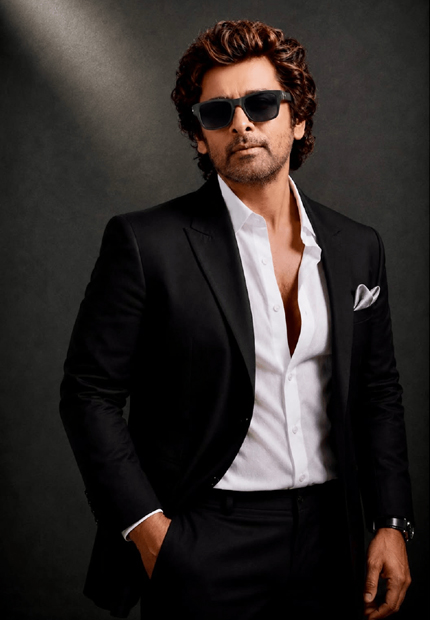
Few actors combine commercial success with artistic excellence as consistently as Vikram.
His career reflects:
- Extraordinary physical transformations
- Diverse character selection
- Fearless experimentation
- Commitment to realistic performances
- Longevity across multiple decades
Whether playing heroes, anti-heroes, historical warriors, or emotionally vulnerable characters, Vikram approaches every role with unmatched sincerity.
Conclusion
Chiyaan Vikram’s journey is one of the most inspiring success stories in Indian cinema. From enduring years of struggle, surviving a life-changing accident, and facing repeated failures to winning the National Film Award and becoming one of Tamil cinema’s most respected actors, his career is a testament to resilience and unwavering dedication. His willingness to transform physically and emotionally for every role has earned him a unique place among India’s greatest performers. With unforgettable films like Sethu, Pithamagan, Anniyan, I, Ponniyin Selvan, and Thangalaan, Vikram has continually pushed the boundaries of acting while entertaining audiences across generations. As he continues to take on ambitious and challenging projects, his legacy as one of the finest and most versatile actors in Indian cinema only continues to grow.
