
Top Hollywood Box Office Hits in India

Hollywood movies have always had a strong audience in India, but some films have gone far beyond regular international releases to become massive theatrical successes. From superhero blockbusters and science-fiction spectacles to animated classics and epic fantasy adventures, several Hollywood films have delivered extraordinary box-office numbers in the Indian market.
The success of these movies demonstrates the growing popularity of global cinema among Indian audiences. Big franchises such as Marvel, Avatar, Spider-Man, and The Lord of the Rings have built enormous fan bases, while films such as Oppenheimer have shown that even serious, dialogue-driven Hollywood movies can attract huge crowds in India.
Here are some of the top Hollywood box office hits in India that have made a major impact at the Indian box office.
1. Avatar: The Way of Water (2022) — ₹490 Crore
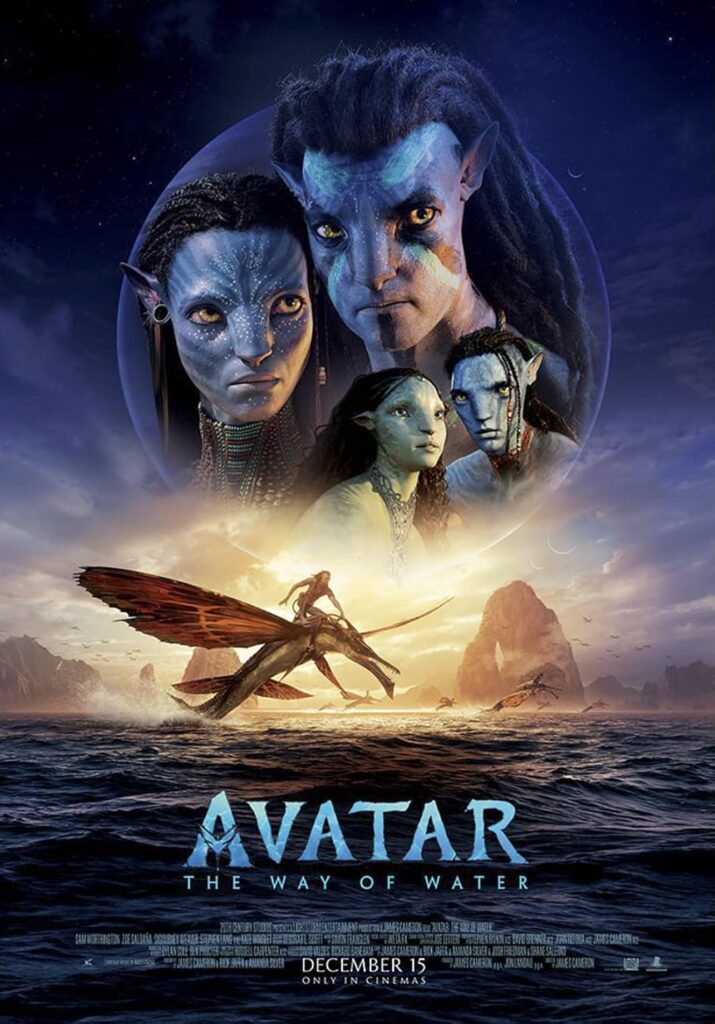
James Cameron’s Avatar: The Way of Water became one of the biggest Hollywood blockbusters ever released in India.
The sequel to Avatar returned audiences to the visually spectacular world of Pandora, expanding the story with new environments, creatures, and characters. Its extraordinary visual effects and immersive 3D experience encouraged audiences to watch it on the biggest screens available.
With approximately ₹490 crore in Indian box-office earnings, the film demonstrated the enormous popularity of the Avatar franchise among Indian moviegoers.
Why It Was a Huge Hit
- Spectacular visual effects
- Premium 3D experience
- Strong franchise popularity
- James Cameron’s global reputation
- Large-scale action and adventure
- Family-friendly appeal
The movie’s theatrical experience played a major role in attracting audiences to cinemas.
2. Avengers: Endgame (2019) — ₹438 Crore
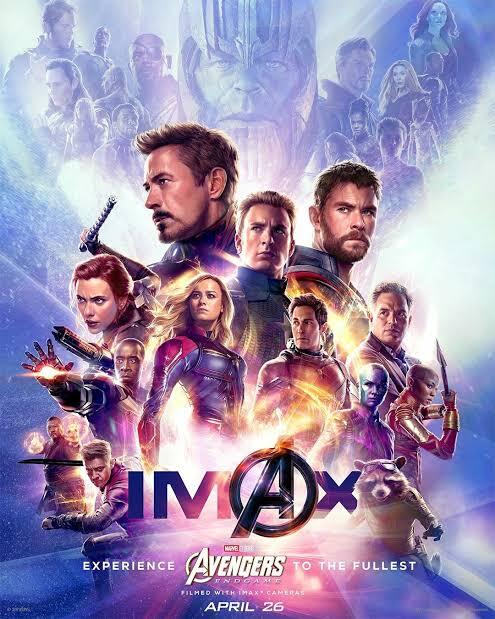
Avengers: Endgame was not simply another superhero movie. It was the culmination of more than a decade of storytelling in the Marvel Cinematic Universe.
The film brought together many of Marvel’s most popular superheroes for an emotional final battle against Thanos.
Indian audiences responded strongly to the film, making it one of the biggest Hollywood releases in the country’s theatrical history.
With around ₹438 crore in India, Avengers: Endgame became a major milestone for Marvel and Hollywood cinema in the Indian market.
Why It Was So Successful
- Massive Marvel fan base
- Emotional conclusion to major storylines
- Huge ensemble cast
- High anticipation
- Spectacular action sequences
- Strong global franchise recognition
For many fans, watching the film in theaters became a major cinematic event.
3. Avengers: Infinity War (2018) — ₹291 Crore

Before Endgame broke records, Avengers: Infinity War had already demonstrated the extraordinary popularity of Marvel movies in India.
The film brought together the Avengers, Guardians of the Galaxy, and numerous other Marvel characters as they faced Thanos and his quest to collect the Infinity Stones.
Its shocking ending generated enormous conversation among fans and helped build anticipation for Endgame.
The movie earned approximately ₹291 crore in India, making it one of the country’s most successful Hollywood films.
Highlights
- Thanos as a major central villain
- Large superhero ensemble
- Spectacular action
- Strong Marvel fan following
- Major crossover event
- Surprising conclusion
4. Spider-Man: No Way Home (2021) — ₹265 Crore

Spider-Man: No Way Home became a major theatrical success in India by combining modern superhero storytelling with nostalgia.
The movie follows Peter Parker after his secret identity becomes public. His attempt to solve the problem using Doctor Strange’s magic leads to unexpected consequences involving the multiverse.
The film’s biggest attraction was its connection to previous Spider-Man movies and characters.
With approximately ₹265 crore in India, it became one of the most successful Hollywood superhero films in the country.
Why Indian Audiences Loved It
- Popular Spider-Man character
- Multiverse concept
- Nostalgia
- Emotional storytelling
- Major fan theories and anticipation
- Spectacular action sequences
The movie demonstrated how nostalgia can become a powerful force at the box office.
5. Doctor Strange in the Multiverse of Madness (2022)
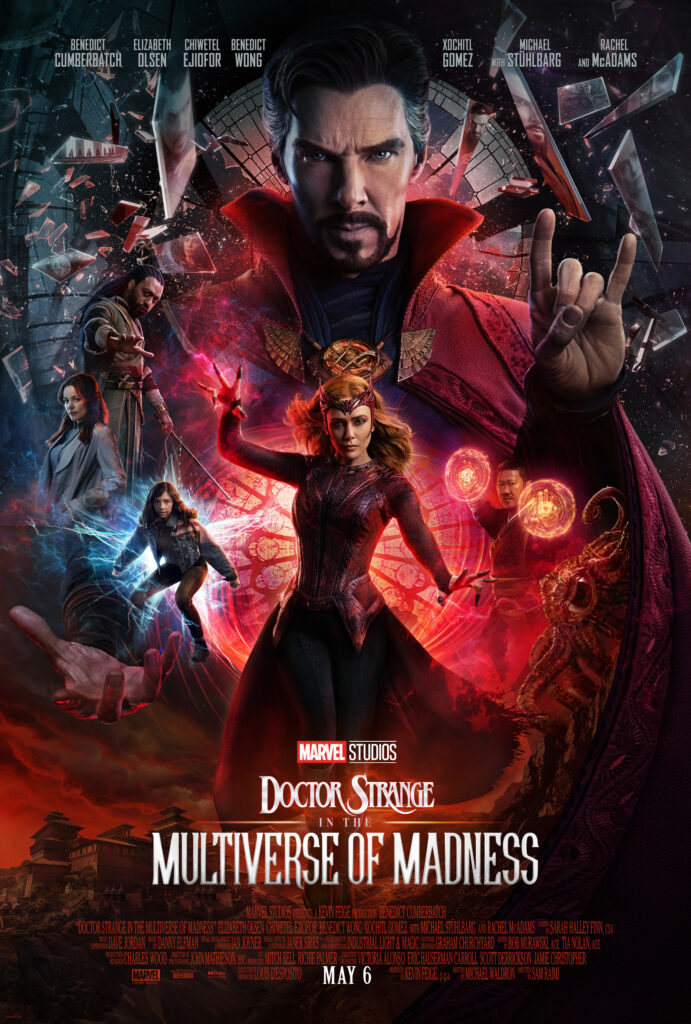
Marvel’s Doctor Strange in the Multiverse of Madness continued the studio’s exploration of alternate realities.
The movie follows Doctor Strange as he navigates dangerous multiverse-related events while dealing with powerful supernatural forces and unexpected versions of familiar characters.
The film benefited from the popularity of the Marvel Cinematic Universe and the success of Spider-Man: No Way Home.
Why It Attracted Indian Audiences
- Marvel franchise popularity
- Doctor Strange’s fan base
- Multiverse storyline
- Large-scale visual effects
- Action and fantasy
- Connection to the wider MCU
The movie further established the multiverse as one of Marvel’s major storytelling concepts.
6. Oppenheimer (2023)

Christopher Nolan’s Oppenheimer proved that Hollywood blockbusters do not always need superheroes, fantasy worlds, or massive franchises to attract Indian audiences.
The film tells the story of J. Robert Oppenheimer and the development of the atomic bomb during the Second World War.
Starring Cillian Murphy in the lead role, the movie combines historical drama, political tension, science, and personal conflict.
Why Oppenheimer Became a Hit in India
- Christopher Nolan’s loyal fan base
- Strong word of mouth
- Cillian Murphy’s acclaimed performance
- Historical subject
- IMAX and premium-screen interest
- Serious storytelling
The movie became particularly notable for attracting audiences who wanted a large-scale cinematic experience built around historical drama rather than conventional action entertainment.
7. The Lion King (2019)

Disney’s The Lion King brought one of the world’s most beloved animated stories to theaters in a photorealistic style.
The film revisits the story of Simba, a young lion who must eventually accept his responsibilities and reclaim his rightful place.
The original animated film has a huge nostalgic following, and the 2019 version benefited from that familiarity.
Why It Worked in India
- Popular Disney property
- Strong nostalgia
- Family-friendly story
- Familiar characters
- Photorealistic visuals
- Famous songs and emotional moments
The film attracted both longtime fans of the original and younger audiences experiencing the story for the first time.
8. Mufasa: The Lion King (2024)
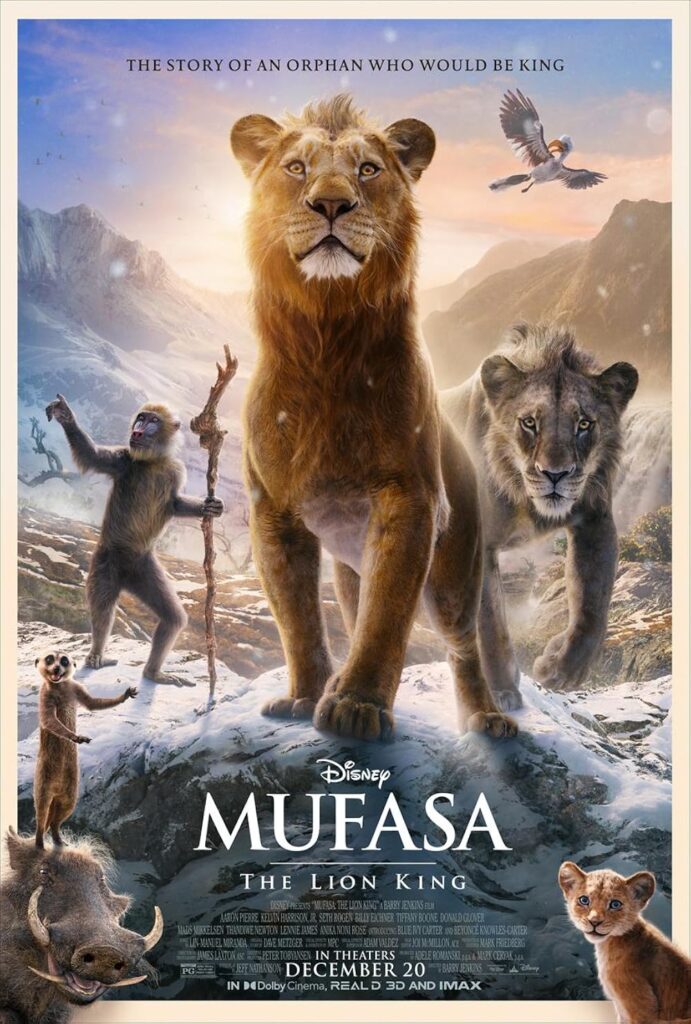
Mufasa: The Lion King expanded Disney’s modern Lion King universe by exploring the early life and journey of Mufasa.
The film provided audiences with additional background about one of the most recognizable characters from the franchise.
Its connection to The Lion King gave it an established audience, while its new story offered something different from a direct remake.
Why It Attracted Audiences
- Popular Lion King franchise
- Mufasa’s iconic character
- Family audience
- Impressive visual effects
- Disney brand recognition
- Connection to the 2019 film
The movie continued the franchise’s presence among Indian family audiences.
9. Harry Potter and the Sorcerer’s Stone (2001)
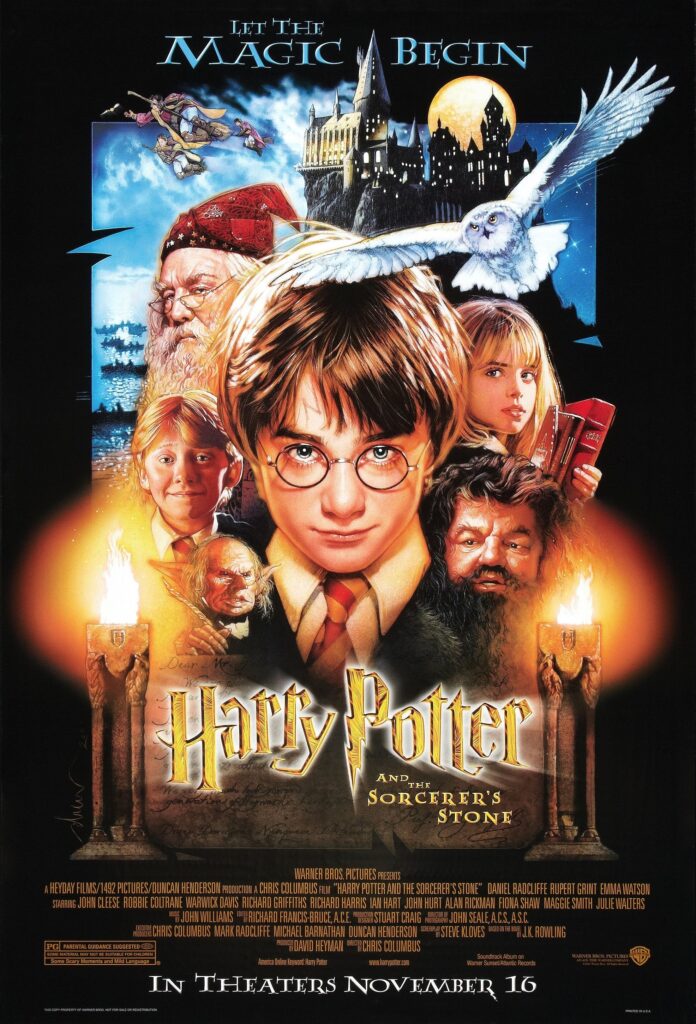
The first Harry Potter movie introduced audiences to the magical world of Hogwarts.
Based on J.K. Rowling’s bestselling novel, the film follows Harry Potter as he discovers that he is a wizard and begins his education at Hogwarts School of Witchcraft and Wizardry.
The movie became the foundation for one of the most successful fantasy franchises in cinema history.
Why Harry Potter Became a Favorite
- Magical world-building
- Beloved characters
- Popular source material
- Family-friendly adventure
- Strong franchise appeal
- Nostalgia among multiple generations
The Harry Potter franchise continues to have a devoted fan base in India, making its movies enduring theatrical and streaming favorites.
10. The Lord of the Rings: The Return of the King (2003)
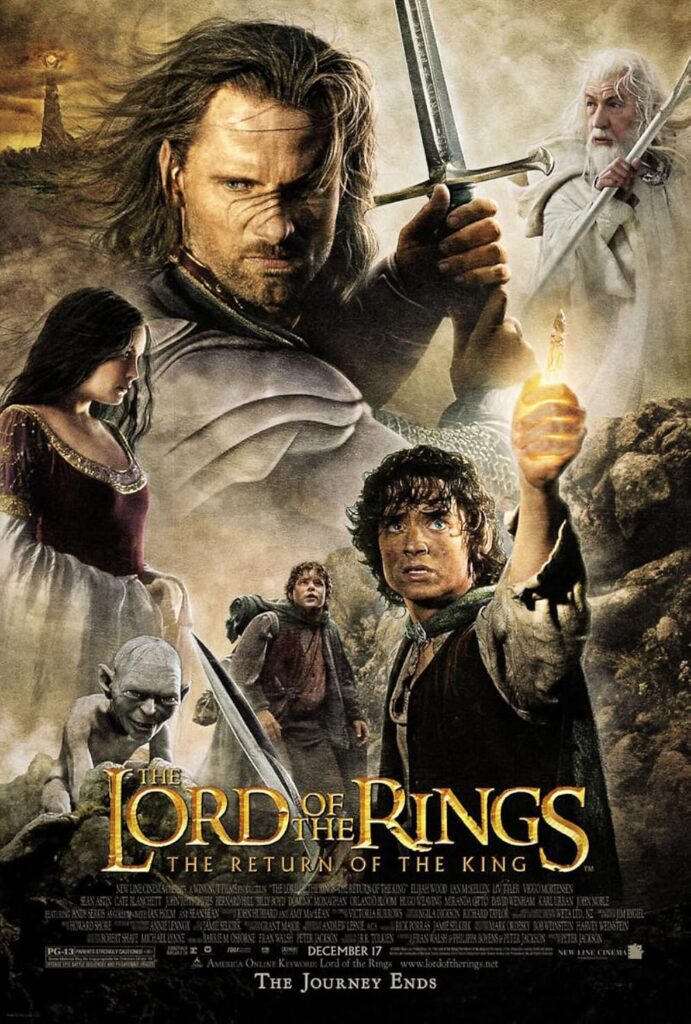
Peter Jackson’s The Lord of the Rings: The Return of the King brought the epic Middle-earth trilogy to a spectacular conclusion.
The film follows the final stages of the battle against Sauron while Frodo and Sam continue their dangerous journey toward Mount Doom.
Its enormous scale, visual effects, emotional storytelling, and unforgettable battle sequences made it a landmark in fantasy cinema.
Why It Remains Iconic
- Epic fantasy storytelling
- Spectacular battles
- Strong character arcs
- Award-winning filmmaking
- Massive world-building
- Emotional conclusion
The film became one of the most acclaimed fantasy movies ever made and remains a benchmark for large-scale filmmaking.
Why Hollywood Movies Perform So Well in India
The success of these films highlights several reasons why Hollywood has built a strong presence in the Indian theatrical market.
1. Global Franchises
Marvel, Disney, Harry Potter, Avatar, and The Lord of the Rings already have enormous international fan bases.
When a new movie arrives, audiences are often familiar with the characters and world before entering the theater.
2. Spectacular Visual Experiences
Movies such as Avatar: The Way of Water, Avengers: Endgame, and The Lord of the Rings: The Return of the King offer large-scale visual experiences that are particularly attractive on premium cinema screens.
3. Strong Fan Communities
Superhero and fantasy franchises have built passionate fan communities in India. Fans often follow trailers, announcements, theories, and international releases closely.
4. Nostalgia
Nostalgia has played an important role in the success of movies such as Spider-Man: No Way Home and The Lion King.
Audiences are often drawn to stories and characters they already know and love.
5. Premium Cinema Experience
Hollywood blockbusters often make extensive use of visual effects, sound design, IMAX formats, 3D, and other premium technologies.
This encourages audiences to experience them in theaters rather than waiting for home viewing.
Hollywood Movies and the Changing Indian Box Office
The success of Hollywood films in India reflects the country’s increasingly diverse movie-going audience.
Indian audiences have traditionally supported Bollywood, regional cinema, and international films simultaneously. Today, a major Hollywood release can become a genuine theatrical event across Indian cities.
Marvel films have demonstrated the power of franchise fandom, while Avatar has highlighted the importance of cinematic spectacle. Meanwhile, Oppenheimer showed that Indian audiences are also willing to support serious, dialogue-heavy films when they have strong filmmaking, performances, and word of mouth.
This changing audience behavior has made India an increasingly important international market for Hollywood studios.
Conclusion
The top Hollywood box office hits in India represent a wide range of genres and cinematic experiences.
Avatar: The Way of Water and Avengers: Endgame stand out for their enormous theatrical scale, while Avengers: Infinity War and Spider-Man: No Way Home demonstrate the power of superhero fandom.
Doctor Strange in the Multiverse of Madness continued Marvel’s multiverse phenomenon, while Oppenheimer proved that a historical drama could also become a major theatrical attraction.
Disney’s The Lion King and Mufasa: The Lion King show the strength of family entertainment and nostalgia, while Harry Potter and the Sorcerer’s Stone and The Lord of the Rings: The Return of the King represent the lasting appeal of fantasy cinema.
Together, these films demonstrate that Indian audiences are embracing an increasingly broad range of international cinema. With major franchises, spectacular visuals, emotional storytelling, and unforgettable characters, Hollywood’s relationship with the Indian box office continues to grow stronger.
